
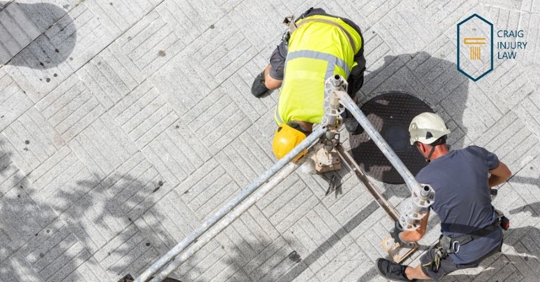
As the Georgia landscape shifts from the gray of winter to the vibrant greens of spring, thousands of our neighbors return to the outdoors. Whether you are clearing brush in North Georgia, framing new homes in Metro Atlanta, or preparing the soil on a Southeast Georgia farm, the change in season brings a renewed energy to the job site.
However, spring in Georgia isn't just about blooming azaleas; it's a season of unique hazards. A productive day can turn into a life-altering event. Understanding these seasonal risks and your rights as a worker is the first step in protecting your future.
The Hidden Dangers of a Georgia Spring
While many associate workplace injuries with the dead of winter or the height of summer, the transition into spring creates specific risks that catch even the most experienced workers off guard:
The "Acclimatization" Gap: After a mild winter, the first 80-degree days can be more dangerous than the 90-degree days in July. Your body hasn't yet adjusted to the humidity and heat, making you significantly more susceptible to heat exhaustion or heat stroke during those first few warm weeks.
Unstable Terrain: Georgia's famous spring thunderstorms bring heavy rain that softens the red clay. This leads to unstable ground for heavy machinery, increased slip-and-fall risks, and the danger of trench collapses in construction.
High-Wind Hazards: Spring is the peak season for erratic winds and severe weather. For those working at heights or near trees, sudden gusts can lead to falls or "struck-by" injuries from flying debris and falling branches.
Biological Risks: As nature wakes up, so do the hazards. From allergic reactions to pollen that can impair vision and breathing, to the return of stinging insects and snakes, biological hazards are a constant factor for Georgia's landscapers and agricultural workers.
Your Rights After a Workplace Injury
If you are injured while working outdoors this spring, the physical pain is often followed by the stress of medical bills and lost wages. It is important to remember that Georgia's workers' compensation system is designed to provide a safety net, regardless of who was at fault for the accident.
Under Georgia law, you generally have the right to:
Medical Care: Your employer's insurance should cover all authorized doctor visits, hospital stays, and rehabilitation.
Income Benefits: If your injury prevents you from working for more than seven days, you are entitled to weekly income benefits (usually two-thirds of your average weekly wage, up to a state-mandated cap).
Protection Against Retaliation: You cannot be legally fired simply for filing a workers' compensation claim.
Steps to Take Immediately
To protect your claim, you must act quickly. Georgia law requires you to report your injury to your employer within 30 days, though we recommend doing so immediately. Seek medical attention from a doctor on your employer's "Posted Panel of Physicians," and keep a detailed record of how the accident happened.
Talk to Our Vidalia Workers' Compensation Lawyer
Navigating the aftermath of an injury is overwhelming, but you don't have to do it alone. At Craig Injury Law, we bring years of experience and a deep commitment to Georgia's workforce. We believe that if you work hard for our state, the law should work hard for you.
If you've been hurt on the job this spring, reach out to us today at (912) 304-5202 for a consultation. Let us handle the legal burden so you can focus on your recovery.